
Utah Civil Court Records
Civil court records in Utah are public documents created and maintained by District Courts across all 29 counties in the state. These records cover civil cases filed in Utah courts, including disputes over money, property, contracts, and family matters. Anyone can search Utah civil court records through the state's online case system, at a courthouse terminal, or by visiting a clerk's office in person. This site helps you find the right source for the records you need, whether your search covers a single case or spans multiple Utah counties.
Utah Civil Court Records Quick Facts
What Utah Civil Court Records Contain
Civil court records are the official files maintained by Utah District Courts for each case filed. They document the full history of a civil proceeding from the initial filing through final judgment. Utah District Courts handle cases involving money disputes above $11,000, real property, contracts, family law, probate, and appeals from administrative agencies. In fiscal year 2024, Utah District Courts recorded approximately 257,000 total filings, with civil cases making up roughly 75,000 of those. That volume means a large pool of records is available for public search.
Public civil court records in Utah typically include the case number and filing date, the names of all parties to the case, scheduled court dates and hearings, orders and final judgments, docket entries that show each step of the proceeding, and the outcome or disposition. These records are available to any member of the public. You do not have to be a party in the case to request or view them.
Some records are restricted by law. Juvenile court records are not public. Adoption records are sealed. Mental health proceedings and certain sealed records are off limits. Courts also redact sensitive data before releasing records, including Social Security numbers, financial account numbers, birthdates in some contexts, and identifying information for minors. The default rule under Utah law is that court records are open unless a specific rule or statute says otherwise.
Note: If a case was sealed by court order, you will need to file a motion with the court to request access, which the judge will review before deciding.
Searching Civil Court Records Through Utah Courts
The Utah State Courts website at utcourts.gov serves as the central hub for all court-related services in the state. It connects users to the XChange case management system, court calendars, case forms, and contact information for every District Court and Justice Court in Utah. If you are starting a civil court records search in Utah, this is the right place to begin.
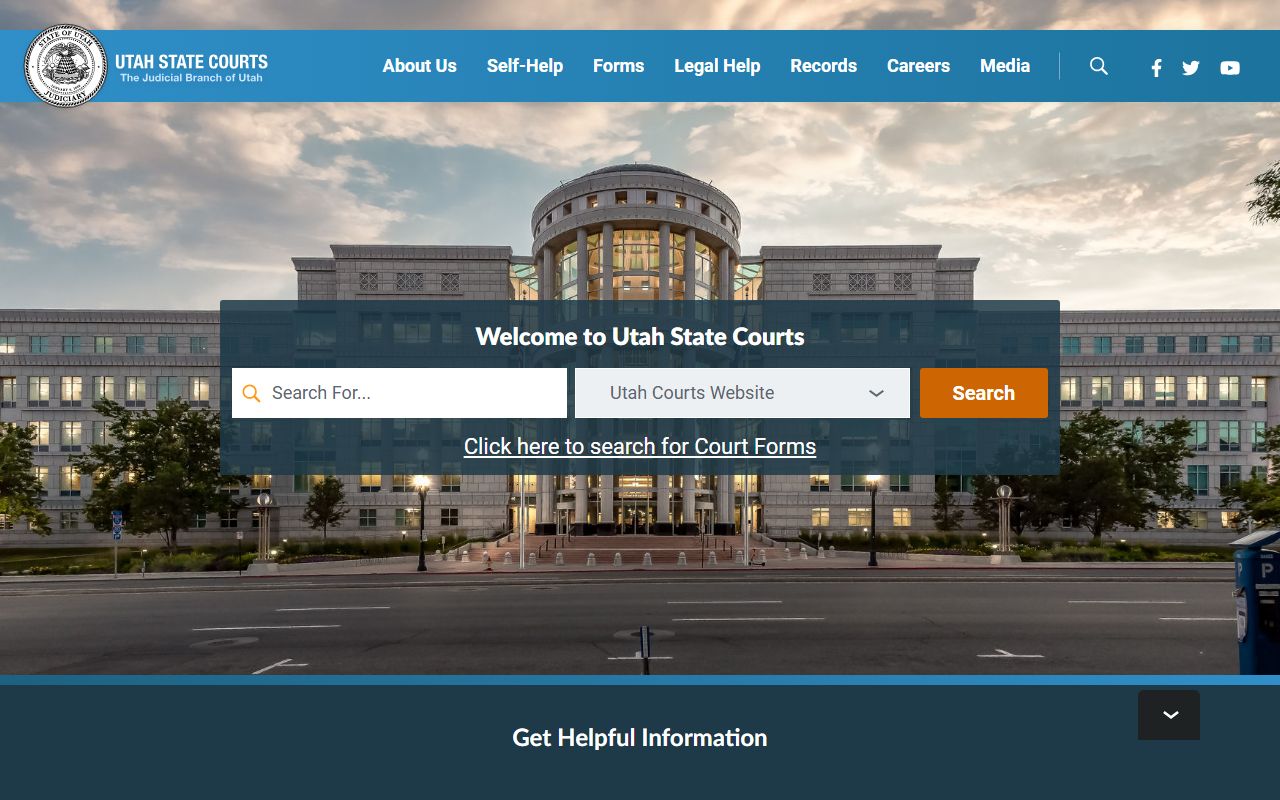
The Utah State Courts portal covers all 29 counties and links directly to the XChange subscription system for detailed case data. The appellate docket search is also available through this site at no charge, giving free access to Supreme Court and Court of Appeals filings going back decades.
Beyond case searches, utcourts.gov offers self-help forms, instructions for filing civil cases, and links to the Utah State Law Library. The site is updated regularly. For most searches, it is the fastest starting point for finding civil court records anywhere in Utah.
XChange: Utah's Civil Court Records System
XChange is Utah's subscription-based online case management system for accessing civil court records. It is operated by the Utah State Courts and draws data from the Courts Information System, known as CORIS. Court personnel enter case data at each courthouse, and XChange updates daily. You can find information on cases filed in every District Court and Justice Court statewide through a single search interface.
The system lets you search by party name, case number, attorney name, or filing date. Once you locate a case, you can view the docket showing every filing and proceeding, the names and addresses of parties, documents submitted to the court, assigned judges, and hearing dates. Document images are available for most District Court cases. XChange is the most complete source for current civil court records in Utah when compared to free alternatives.
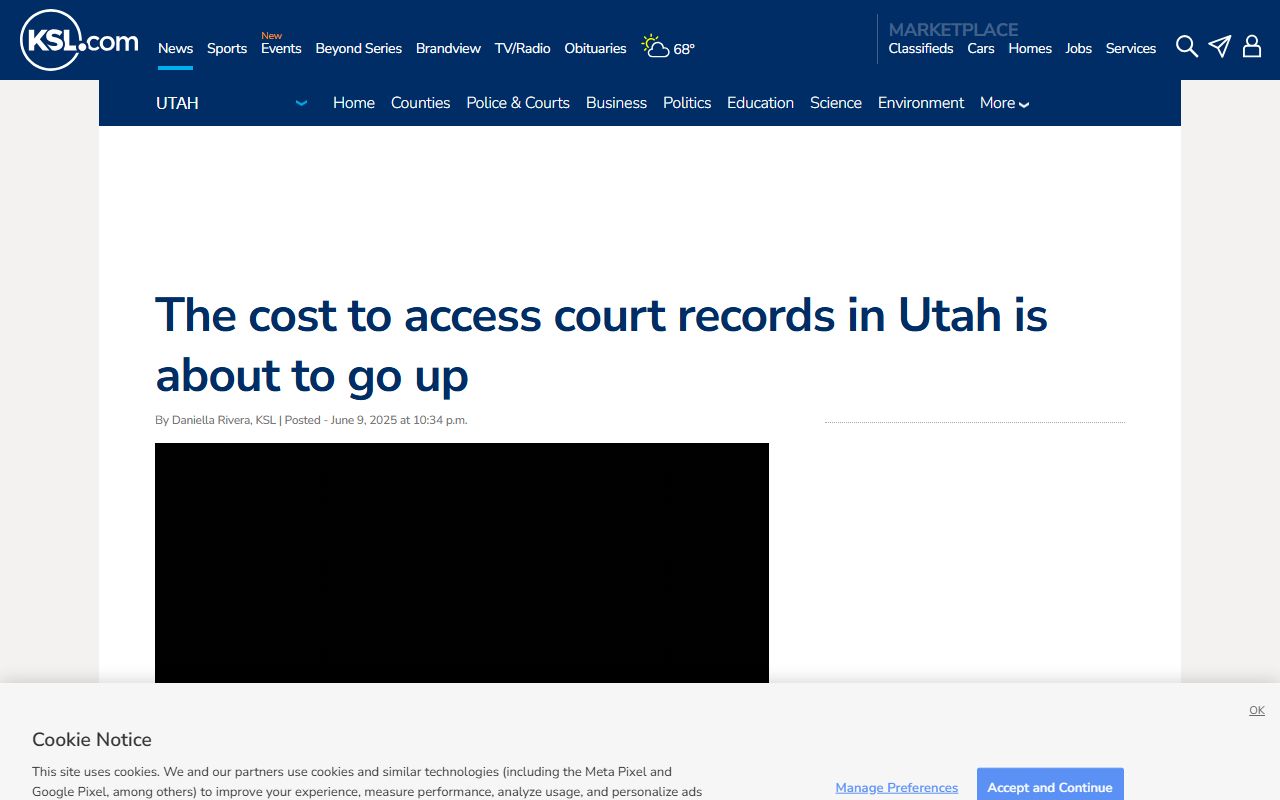
As of July 1, 2025, the fee structure for XChange changed. You can review the background on those changes through this KSL News report on Utah court records fee increases. The updated fee schedule is as follows: a monthly subscription costs $40 and includes up to 500 searches; an annual subscription costs $240; individual searches cost $0.35 each; document downloads cost $1.00 per file; and a guest account carries a one-time setup fee of $10. These increases were put in place to address a $1.3 to 1.5 million annual operating deficit that had grown in the years prior.
You can sign up for an XChange account directly through the XChange portal on the Utah State Courts website. Access is subject to approval. Users select either a monthly or annual plan after account creation. The system is available around the clock from any internet-connected device.
Note: XChange search fees increased by 133 percent on July 1, 2025, from $0.15 to $0.35 per search, reflecting the first increase since 2021.
Free Ways to Access Civil Court Records in Utah
Paid XChange subscriptions are not the only path to Utah civil court records. Several free options exist for people who prefer not to pay for online access. The most widely available free option is the public terminal at your local courthouse. Most Utah District Courthouses have public access terminals that provide the full XChange interface at no cost. You walk in, use the terminal, and search the same database that paid subscribers access from home.
The Utah State Law Library, located inside the Matheson Courthouse in Salt Lake City, also provides free public access to XChange terminals. Library staff can assist with research. You can reach the library by phone at 801-238-7990 or by email at library@email.utcourts.gov. The library serves both the public and legal professionals. It holds a range of legal materials beyond court records, including court forms, jury instructions, and appellate opinions.
The appellate docket search on the Utah Courts website is free without any subscription. It covers the Utah Supreme Court and Utah Court of Appeals, with historical opinions dating back to 1896 for the Supreme Court and 1987 for the Court of Appeals. For those tracking a civil case on appeal, this system requires no account and no fee.
MyCourtCase is another free service from Utah Courts. It sends text or email notifications when activity occurs on a case. You register at utcourts.gov/MyCase and enter the case information you want to track. It does not give you access to documents, but it keeps you updated without needing to log in repeatedly. This works well for parties or interested people following an active civil case.
GRAMA and Civil Court Records Rights
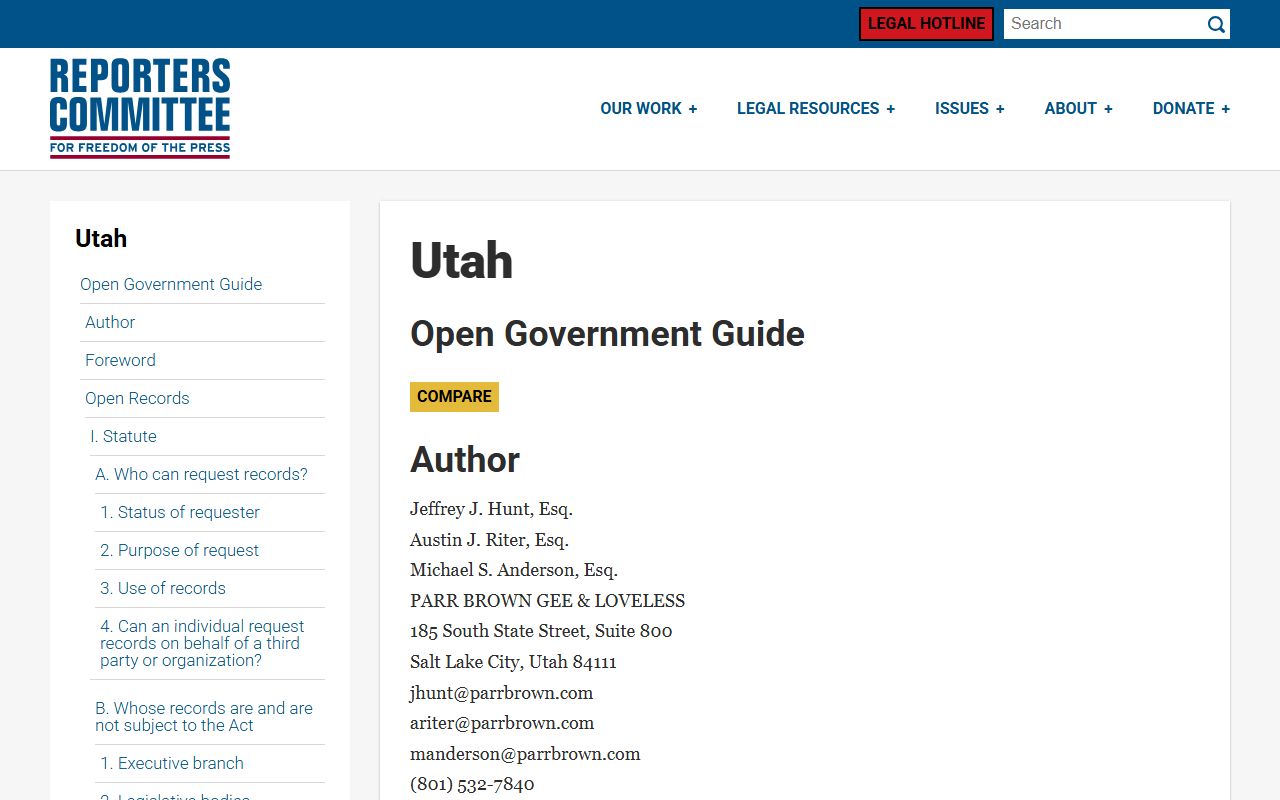
Utah's Government Records Access and Management Act, known as GRAMA, is the state's primary public records law. It is codified in Utah Code Title 63G, Chapter 2. GRAMA covers all government records, including court records maintained by Utah's judicial branch. The Reporters Committee for Freedom of the Press maintains a detailed GRAMA guide for Utah that explains how the law works in practice for anyone seeking public records.
Under Utah Code Section 63G-2-201(1), any person has the right to inspect a public record free of charge and to take a copy during normal working hours. Section 63G-2-201(2) states clearly: "A record is public unless otherwise expressly provided by statute." This places the burden on the government to justify withholding a record, not on you to justify seeing it.
If a court or agency denies your records request under GRAMA, you can appeal. Denials may be taken to the Utah State Records Committee or to a district court within 30 days of the denial. Copy fees are set under GRAMA as well. Standard paper copies run $0.25 per page. Certified copies cost between $4 and $8 per document depending on the court.
Court Rule 4-202 and Civil Record Access
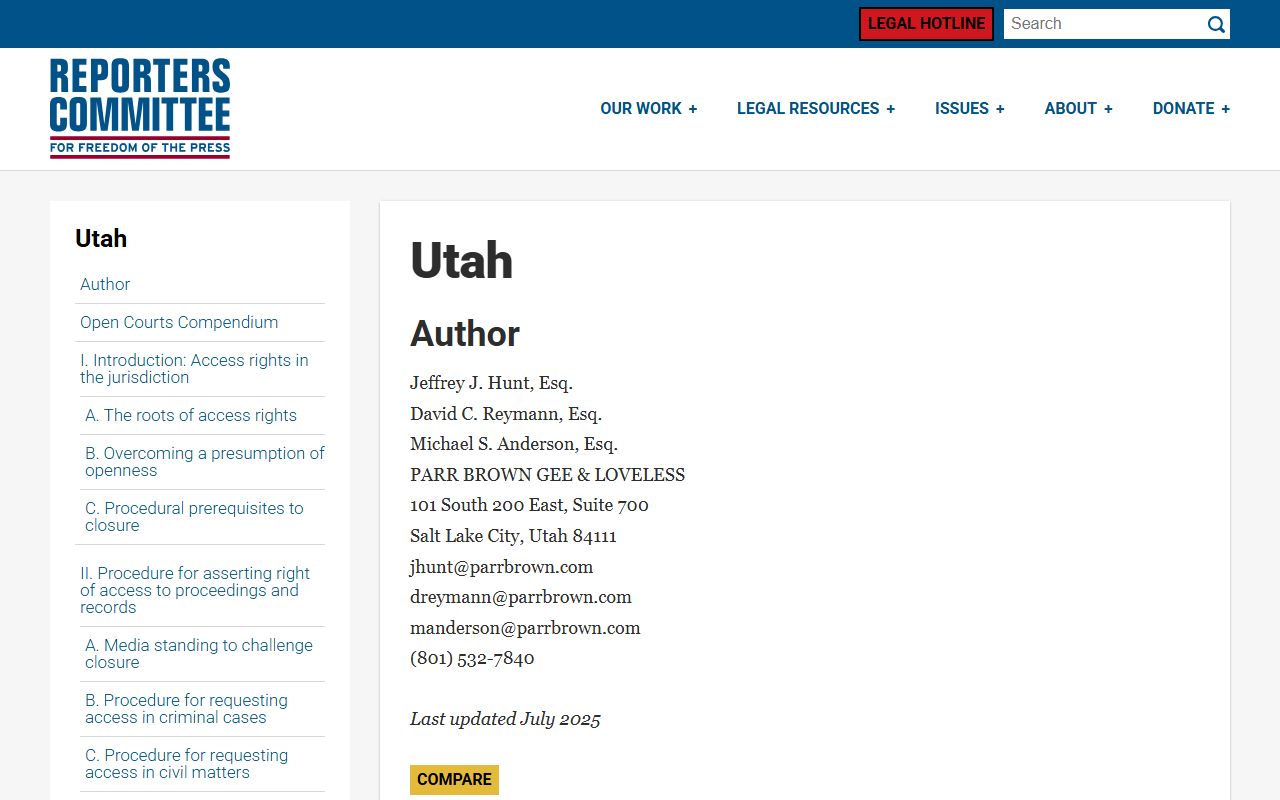
In addition to GRAMA, the Utah judiciary has its own governing standard for court records. Rule 4-202 of the Utah Code of Judicial Administration establishes how civil court records are classified and accessed. The Reporters Committee Open Courts Compendium for Utah provides a thorough breakdown of this rule and how courts apply it.
Rule 4-202.02 states that court records are public unless otherwise classified under the rule. This mirrors the GRAMA presumption of openness. Records are grouped into five classifications: public, private, protected, controlled, and sealed. The vast majority of civil court records fall into the public category. Records become non-public only when a specific rule provision, statute, or court order places them in a restricted class.
When a judge considers sealing a record, Rule 4-202 requires findings about the specific records at issue, a balancing of interests favoring openness against those favoring closure, and a determination that no reasonable alternative to sealing exists. This standard makes wholesale sealing of civil case files rare in Utah courts.
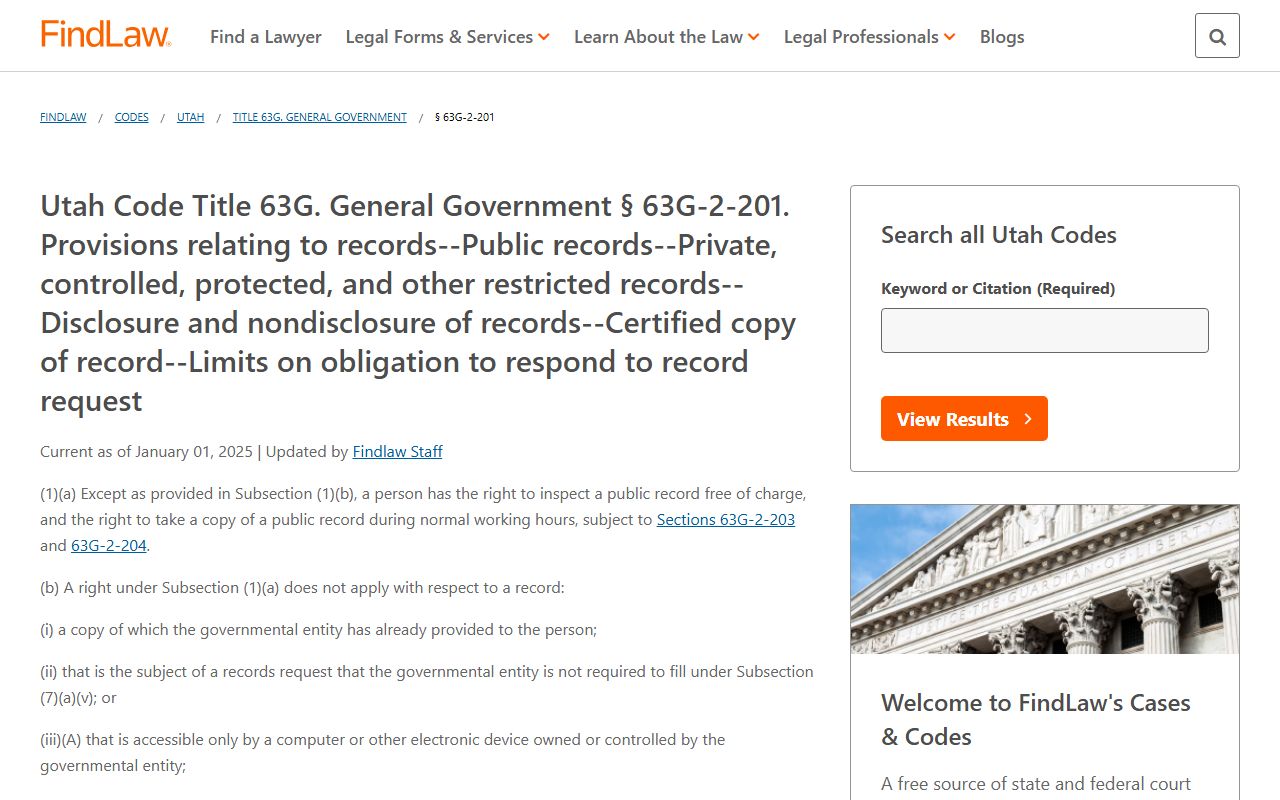
For requests involving non-public records, Rule 4-202 requires a written request with identifying information, and the requester may need to file a motion with the court. The full text of Utah Code Section 63G-2-201 is available at the FindLaw site for reference.
Utah's Eight Civil Court Districts
Utah is divided into eight judicial districts. Each district covers a group of counties and maintains District Court locations within those counties. Civil cases are filed in the district where the dispute arose or where the defendant resides. Understanding which district covers your county helps you identify the right courthouse for records requests. The state currently has 71 district judges spread across the eight districts.
The First District covers Box Elder, Cache, and Rich counties. The Second District serves Davis, Morgan, and Weber. The Third District, which includes Salt Lake County, also covers Summit and Tooele. The Fourth District covers Juab, Millard, Utah, and Wasatch counties. The Fifth District serves Beaver, Iron, and Washington in the southwest. The Sixth District covers a wide rural swath including Garfield, Kane, Piute, Sanpete, Sevier, and Wayne. The Seventh District covers Carbon, Emery, Grand, and San Juan in the southeast. The Eighth District serves Daggett, Duchesne, and Uintah in the northeast corner of the state.
Justice Courts operate at the city and county level under the District Courts. They handle small claims cases up to $11,000, Class B and C misdemeanors, and traffic matters. Civil cases above $11,000 go to the District Court in the same district. This two-tier structure means that both Justice Court and District Court records may be relevant depending on the type and size of the civil matter you are researching.
Civil Court Records: Public vs. Restricted in Utah
Most civil court records in Utah are public. Case numbers, party names, filing dates, docket entries, court orders, judgments, and final dispositions are all generally available to any person who asks. You can review them at the courthouse, request copies from the clerk, or search them through XChange. No special status or reason is required to look at a public civil court record in Utah.
Certain records are shielded from public access by rule or statute. Juvenile court records are confidential. Adoption proceedings are sealed. Mental health evaluations and related filings are restricted. Records sealed by court order are unavailable without a specific court ruling granting access. Settlement agreements that reveal the substance of private negotiations are sometimes protected as well. Presentence investigation reports, while more common in criminal cases, are also off limits in the rare civil contexts where they appear.
Courts redact specific data even from public records before releasing them. Social Security numbers are removed. Financial account numbers are stripped out. Names of minor children are sometimes withheld. Medical details included as evidence may be redacted as well. The public record you receive will reflect this redaction, but the rest of the file remains available.
Note: Even if a record is classified as public, the court may charge a copying fee of $0.25 per page for standard paper copies when you request printed documents.
Historical Utah Civil Court Records
For older civil court records, the Utah Division of Archives and Records Service is the primary resource. The Archives holds historical court records stretching back to Utah's territorial period before statehood in 1896. These include territorial court records, probate court files from the 1850s through the 1970s, district court case files from various periods, justice court records, and naturalization records. Digital copies of many records are increasingly available through the Archives' online indexes and databases.
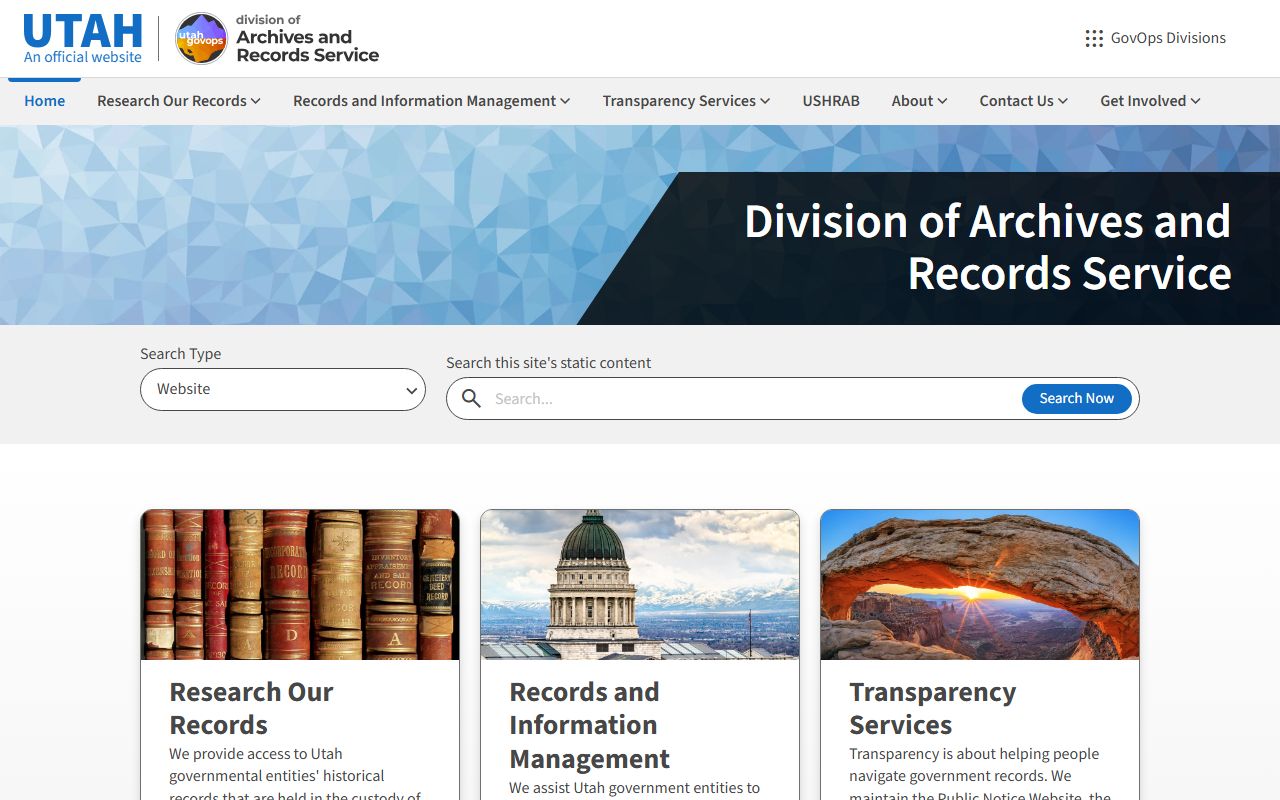
The Archives facility is located at 346 South Rio Grande Street in Salt Lake City. In-person research is available at that location, and staff can assist with locating historical records. The Archives can be reached by phone at 801-531-3800. Microfilm copies are available for many older records that have not yet been digitized. If you are researching a civil case from before the XChange era, the Archives is likely your best source for complete files.
Genealogists and family historians often use civil court records to trace property transfers, estate settlements, name changes, and other legal actions. The combination of the Utah State Archives for older records and XChange for modern cases provides broad coverage for historical civil court research in Utah.
Other Civil Court Records Resources for Utah
For information on specific judicial districts, reference sources like Ballotpedia's Utah Fifth Judicial District page provide context on judges, jurisdiction, and district boundaries. While these third-party resources do not provide case-level data, they help orient a search before you access official records through the Utah Courts system or XChange.
The Utah State Courts website remains the authoritative source. Any search that requires actual case data, document images, or current docket information should go through utcourts.gov or the courthouse directly. Third-party tools work best as navigation aids, not as primary records sources for civil court cases in Utah.
Browse Civil Court Records by Utah County
Each of Utah's 29 counties is served by a District Court that maintains civil court records for cases filed in that jurisdiction. Select a county below to find local court contact information and resources for civil court records in that area.
Browse Civil Court Records by Utah City
City residents in Utah file civil cases at the District Court serving their county. Many cities also have their own Justice Courts for smaller civil matters. Select a city below to find civil court records resources for that area.